

In this guide
- Why Is My Cat Throwing Up Undigested Food?
- Warning Signs Vomiting Is Serious in Cats
- Diagnostic Tests for Vomiting Cats
- Treatment for Cat Vomiting: Proven Solutions
- Home Remedies Cat Vomiting Solutions
- Prevent Cat Vomiting: Long-Term Strategies
- What Does It Mean When Cats Vomit Undigested Food
- When to Call the Vet for Cat Vomiting
- Cat Throwing Up After Meals: Quick Action Plan
- Treat Pancreatitis in Cats and Other Conditions
- Your Cat’s Path to Better Digestion
Finding your cat throwing up undigested food can be alarming. You watch your furry friend eat their meal, only to see it come right back up minutes later. This common problem affects cats of all ages, but most causes are treatable.
Understanding why your cat throwing up undigested food happens is the first step toward helping them feel better. This guide will help you identify the problem and find the right solution.

Why Is My Cat Throwing Up Undigested Food?
When your cat brings up undigested food, the meal looks almost identical to what they just ate. This tells you the food never made it to the stomach for proper digestion.
Cat Vomiting After Eating: The Speed Factor
Eating too fast cat behavior is the most common culprit. When cats gobble food like they’re in a race, they swallow large chunks and excess air. This overwhelms their system and triggers regurgitation.
A cat throwing up right after eating often means your pet ate too quickly. Signs include finishing meals in under a minute, competing with other pets for food, and vomiting within 15 minutes of eating.
Food Intolerance in Cats and Dietary Sensitivity
Some cats can’t handle certain ingredients. Food allergy cats develop and food intolerance in cats create digestive chaos.
Foods that cause vomiting in cats – allergies and sensitivities include beef, dairy products, fish proteins, wheat, corn, and artificial additives.
Dietary sensitivity cats experience causes stomach upset without triggering an immune response. Both conditions result in frequent vomiting in cats and GI problems in cats.
Gastrointestinal Issues Cats Develop
When cat vomiting causes go beyond simple eating habits, gastrointestinal issues cats face might be responsible.
- Gastritis in cats inflames the stomach lining, making it hard to keep food down.
- Inflammatory bowel disease cats (IBD cats) involve chronic inflammation throughout the digestive tract.
- Pancreatitis in cats creates inflammation in the pancreas, affecting digestion.
Hairballs and Foreign Objects
Hairball blockage cat experiences can prevent food from passing through properly. When hair accumulates in the stomach, it triggers vomiting.
Foreign object ingestion cat problems occur when curious pets swallow things they shouldn’t. Cat swallowed string or cat swallowed toy situations create intestinal blockage cat issues that prevent normal digestion.
Underlying Medical Conditions
- Hyperthyroidism in cats speeds up metabolism and affects digestion.
- Kidney disease cats vomiting stems from toxin buildup in the blood.
- Diabetes in cats vomiting occurs when blood sugar levels swing too high or low.

Warning Signs Vomiting Is Serious in Cats
Most cases of cat puke undigested food aren’t emergencies. However, call an emergency vet for vomiting cat if you notice:
- Vomiting with lethargy cat shows
- Vomiting with diarrhea cat develops
- Vomiting with weight loss cat experiences
- Vomiting with dehydration cat displays
- Cat swollen abdomen
- Vomiting with constipation cat suffers from
- Blood in vomit
- Vomiting lasting more than 24 hours
These signs indicate serious problems needing immediate care.
Diagnostic Tests for Vomiting Cats
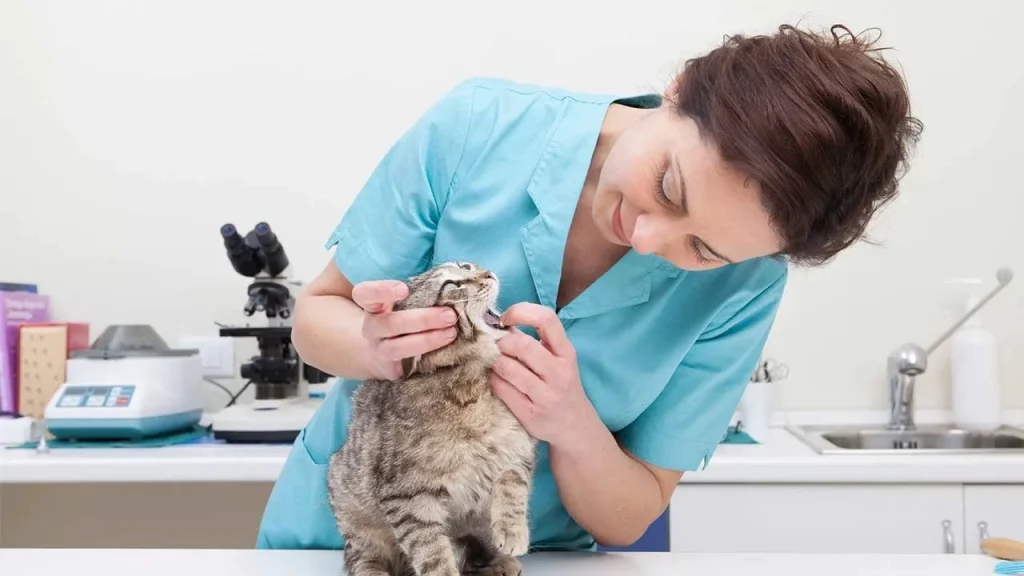
When you schedule a vet appointment for a vomiting cat, your veterinarian will perform a veterinary exam for vomiting to determine the cause.
- Blood work for vomiting cats checks organ function and identifies infections.
- X-ray for vomiting cats reveals blockages or foreign objects.
- Ultrasound for vomiting cats provides detailed images of internal organs.
- Endoscopy for cats allows direct visualization of the stomach and intestines.
Treatment for Cat Vomiting: Proven Solutions
Medication for Cat Vomiting
Medication for vomiting cats depends on the underlying cause. Anti-nausea drugs settle the stomach, while anti-inflammatory medications treat gastritis in cats and pancreatitis in cats.
Options include Cerenia for acute nausea, Metoclopramide to improve stomach emptying, and Prednisolone for inflammatory bowel disease cats.
Special Diets for Cats
- Specialized diets for IBD cats contain easily digestible proteins and reduced fat.
- Hypoallergenic cat food eliminates common allergens using novel proteins like duck or venison.
- Limited ingredient diet cat foods contain just a few simple ingredients, making it easier to identify and avoid problem foods.
Hairball Treatment Cats Need
Hairball treatment cats benefit from includes regular brushing, hairball prevention treats with added fiber, and high-fiber cat foods.

Home Remedies Cat Vomiting Solutions
Many cases respond well to home care for vomiting cats.
Feed Smaller Meals Cat Strategy
Instead of two large meals, feed smaller meals to the cat throughout the day. Four to six small portions reduce stomach overload and help prevent vomiting. Feeding smaller meals the cat receives makes digestion easier.
Slow Feeder for Cats
A slow feeder for cats forces your pet to eat at a healthier pace. These bowls have raised sections that make cats work for each bite.
Puzzle feeder cat options turn mealtime into a game, naturally slowing down eating speed. Benefits include reducing eating too fast cat behavior, preventing cat gobbling food, and making meals last 5-10 minutes.
Keep Cat Hydrated
Keep cats hydrated by offering fresh water at all times. A cat water fountain encourages drinking, as many cats prefer running water.
Support for Cat Digestive Issues
Support for cat digestive issues includes maintaining a calm feeding environment, separating cats during meals, keeping feeding schedules consistent, and avoiding sudden food changes.

Prevent Cat Vomiting: Long-Term Strategies
Stop cat eating too fast by using slow feeders and puzzle bowls. This single change eliminates most cases of undigested food in cat vomit.
Stop cats from vomiting related to hairballs through consistent grooming. Brush long-haired cats daily and short-haired cats several times weekly.
Monitor your cat’s environment to prevent foreign object ingestion. Keep small toys, rubber bands, and strings out of reach.
What Does It Mean When Cats Vomit Undigested Food
What does it mean when cats vomit undigested food depends on frequency and context. Occasional episodes usually aren’t concerning.
- Cat vomiting undigested food regularly suggests an ongoing problem.
- Feline vomiting food right after meals typically indicates rapid eating or food sensitivity.
- Cat throwing up food hours after eating points to slower digestive issues or blockages.
When to Call the Vet for Cat Vomiting
When to call the vet for cat vomiting guidelines: schedule a regular appointment if vomiting happens more than once weekly, your cat shows decreased appetite, or behavior changes develop. Seek immediate care if serious warning signs appear.

Cat Throwing Up After Meals: Quick Action Plan
When you notice cat throwing up after meals, take these steps:
- Remove food for 2-4 hours
- Offer small amounts of water
- Observe for other symptoms
- Resume feeding with a tiny portion
- Switch to smaller, more frequent meals
- Consider a slow feeder
- Monitor for improvement
If vomiting continues, your cat needs veterinary care.
Treat Pancreatitis in Cats and Other Conditions
Treating pancreatitis in cats requires veterinary supervision with pain management, fluid therapy, and low-fat dietary changes.
Other treatments: IBD responds to special diets and immune-suppressing medications, hyperthyroidism needs medication or radioactive iodine, kidney disease requires prescription diets, and diabetes demands insulin therapy.
Your Cat’s Path to Better Digestion
Understanding feline vomiting solutions empowers you to help your cat. Most cases of why my cat throws up food that looks the same as what it ate stem from fixable problems.
Start with simple changes: slow down eating, adjust portion sizes, and ensure proper hydration. If these home remedies cat vomiting treatments don’t work within a few days, consult your veterinarian.
Reduce vomiting in cats by making thoughtful changes and seeking professional help when needed. Your cat depends on you to recognize when something’s wrong and take action to restore their comfort and health.


